Weight Management

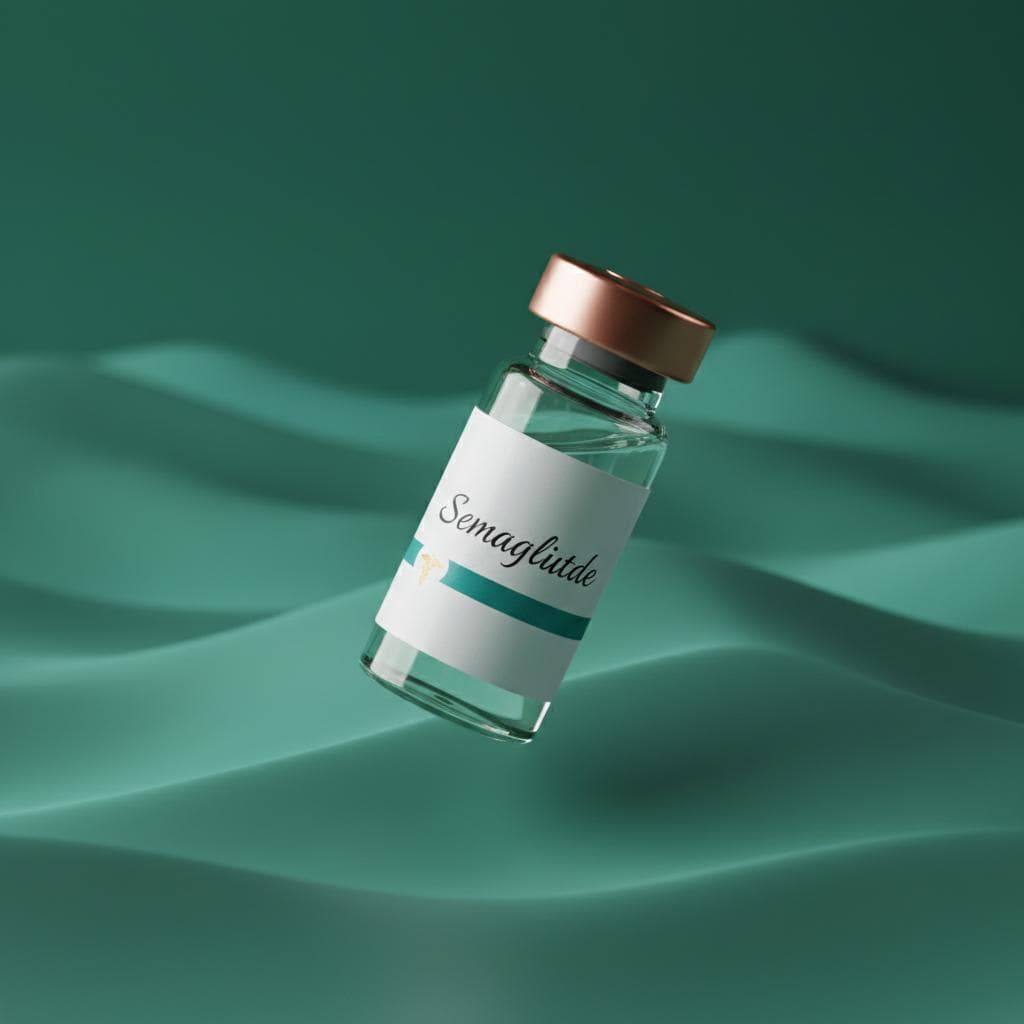
Semaglutide

Clinically proven GLP-1 therapy for sustainable weight management.

FDA Approved

From $299/mo

Semaglutide

How It Works

Semaglutide is a 94% structural analog of human GLP-1 with key amino acid substitutions at positions 8 and 34 that confer resistance to DPP-4 enzymatic degradation. It binds to and activates GLP-1 receptors in the hypothalamic arcuate nucleus, stimulating POMC/CART neurons (which promote satiety) while inhibiting NPY/AgRP neurons (which drive hunger). In the gastrointestinal tract, it slows gastric emptying by reducing vagal-mediated motility, prolonging the feeling of fullness after meals. It also acts on pancreatic beta cells to enhance glucose-dependent insulin secretion and suppress glucagon release from alpha cells. The albumin-binding fatty acid side chain extends the half-life to approximately 7 days, enabling once-weekly dosing.

Key Benefits

Average 15-17% total body weight loss demonstrated in STEP clinical trials
Reduced appetite and food cravings through central nervous system signaling
Improved glycemic control with lower fasting blood glucose and HbA1c
Cardiovascular risk reduction - 20% lower MACE events in the SELECT trial
Improvements in blood pressure, triglycerides, and LDL cholesterol
Once-weekly dosing for convenient, consistent therapy
Reduced visceral (abdominal) fat, which is most metabolically harmful
Potential improvements in non-alcoholic fatty liver disease markers

Clinical Research

The STEP trial program is the largest obesity clinical trial series conducted to date. STEP 1 (n=1,961) demonstrated 14.9% mean weight loss vs 2.4% for placebo over 68 weeks. STEP 2 (n=1,210) in patients with type 2 diabetes showed 9.6% weight loss. STEP 3 (n=611) combined semaglutide with intensive behavioral therapy, achieving 16.0% weight loss. STEP 4 (n=902) demonstrated that discontinuation led to weight regain, supporting continued therapy. The SELECT trial (n=17,604) showed a 20% reduction in major adverse cardiovascular events in overweight/obese adults without diabetes. STEP 5 extended data to 104 weeks, confirming sustained weight loss of 15.2%. Real-world evidence from the SHED-IT study corroborated clinical trial findings in routine practice settings.

Dosage & Administration

Dosage

Treatment follows a gradual dose escalation protocol to minimize gastrointestinal side effects. Starting dose is 0.25 mg once weekly for the first 4 weeks, then 0.5 mg weekly for weeks 5-8, then 1.0 mg weekly for weeks 9-12, then 1.7 mg weekly for weeks 13-16, reaching the target maintenance dose of 2.4 mg weekly from week 17 onward. Some patients may stabilize at lower doses (1.0 mg or 1.7 mg weekly) if adequate weight loss is achieved. Your GetPepWell physician will customize the titration schedule based on your tolerance and response.

Administration

Administered as a subcutaneous injection once weekly, on the same day each week, at any time of day with or without meals. Injection sites include the abdomen (at least 2 inches from the navel), front of the thigh, or upper arm. Rotate injection sites each week to prevent lipodystrophy. The injection is given using a thin 30-31 gauge needle, which most patients report as nearly painless. If a dose is missed, administer it as soon as possible within 5 days of the scheduled day; if more than 5 days have passed, skip the missed dose and resume on the next scheduled day.

Side Effects

  • Nausea (most common, typically decreases over 4-8 weeks)
  • Diarrhea or constipation
  • Vomiting, particularly during dose escalation
  • Abdominal pain or bloating
  • Headache
  • Fatigue
  • Injection site reactions (redness, swelling)
  • Decreased appetite (therapeutic effect but can be pronounced)

Contra-indications

  • Personal or family history of medullary thyroid carcinoma (MTC)
  • Multiple Endocrine Neoplasia syndrome type 2 (MEN 2)
  • Known hypersensitivity to semaglutide or any excipients
  • History of pancreatitis
  • Pregnancy or planning to become pregnant (discontinue at least 2 months before conception)
  • Breastfeeding
  • Severe gastroparesis or gastrointestinal disease
  • End-stage renal disease (eGFR below 15 mL/min)

Drug Interactions

  • Insulin or sulfonylureas - increased risk of hypoglycemia; dose adjustment may be needed
  • Oral contraceptives - delayed gastric emptying may reduce absorption; consider non-oral methods
  • Warfarin - monitor INR more frequently during initiation and dose changes
  • Levothyroxine - absorption may be affected; take thyroid medication on an empty stomach
  • Oral medications with narrow therapeutic index - monitor levels due to altered absorption timing

Storage Info

Store unused vials refrigerated at 36-46 degrees F (2-8 degrees C). Do not freeze. After first use, the vial may be kept at room temperature (up to 86 degrees F / 30 degrees C) or refrigerated for up to 28 days. Protect from direct sunlight and heat. Discard 28 days after first use regardless of remaining volume. Do not use if the solution appears cloudy, discolored, or contains particles.

Common Questions

Semaglutide FAQ

Find answers to the most common questions about this treatment.

Get Started

Interested in Semaglutide?

Schedule a consultation with a licensed physician to see if this treatment is right for you.